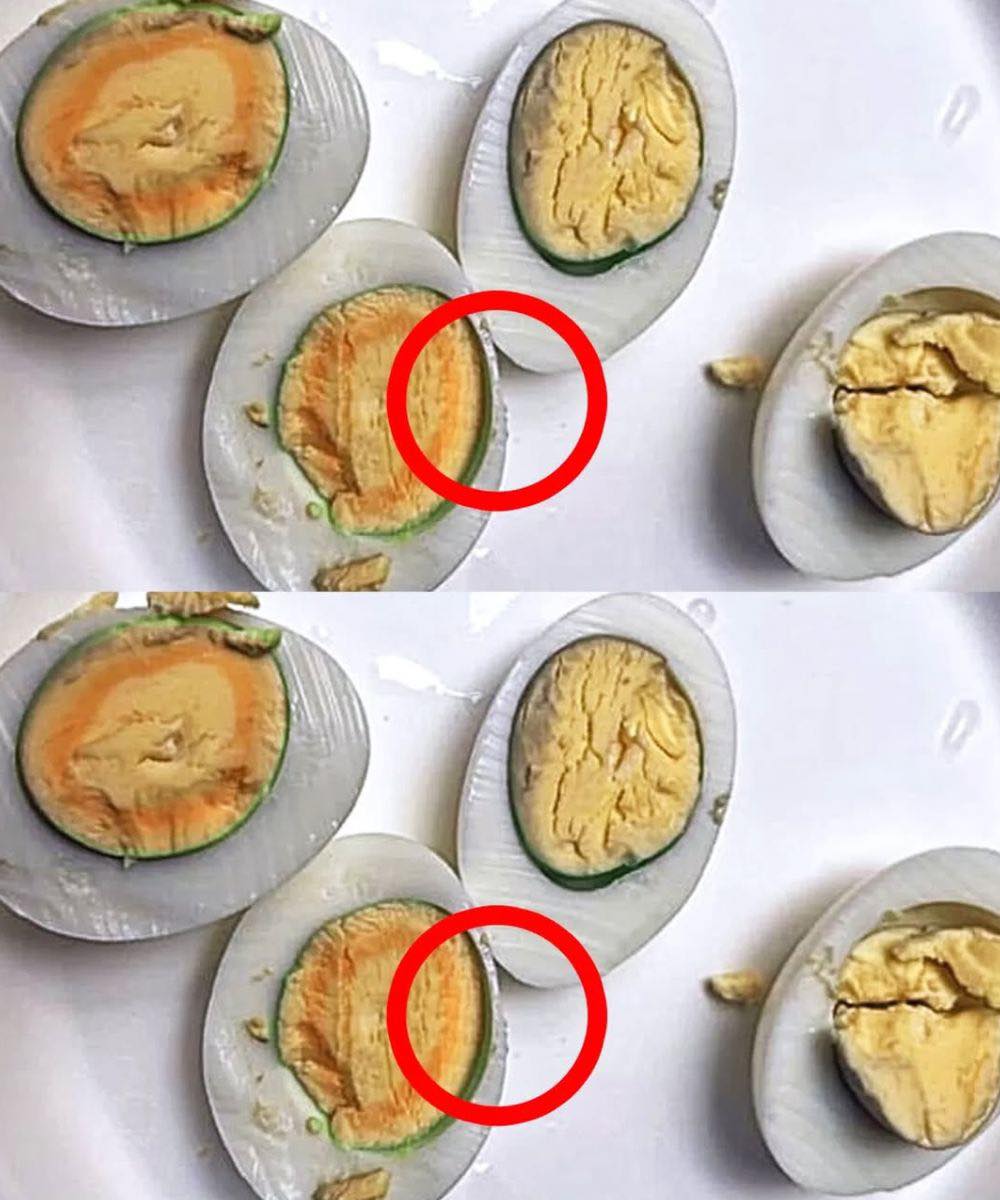
# **How Long Should You Boil Eggs to Avoid the Green Ring?**
Few kitchen disappointments feel as unnecessary as slicing into a hard-boiled egg and discovering that strange greenish-gray ring circling the yolk. The egg is technically edible, perfectly safe, and often tastes fine—but visually, it’s a letdown. Whether you’re making deviled eggs for guests, prepping breakfasts for the week, or building a picture-perfect salad, that green ring can make your efforts look overcooked and unappetizing.
Understanding **how long to boil eggs**, why the green ring forms, and what steps actually matter will help you get consistently beautiful, tender yolks every time. Let’s break it down—from the science to the exact timing.
—
## What Is the Green Ring, Really?
The green or gray ring around a hard-boiled egg yolk isn’t mold or spoilage. It’s a harmless chemical reaction.
When eggs are overcooked or cooked at too high a temperature for too long, **iron in the yolk reacts with sulfur in the egg white**. This reaction forms **iron sulfide**, which creates that dull greenish color.
So the green ring is basically a signal:
> *This egg spent too long in hot water.*
It’s not dangerous—but it is preventable.
## The Perfect Boiling Time: The Short Answer
If you want **fully set whites and yolks without the green ring**, timing matters more than anything else.
Here’s the sweet spot:
Continue reading…
