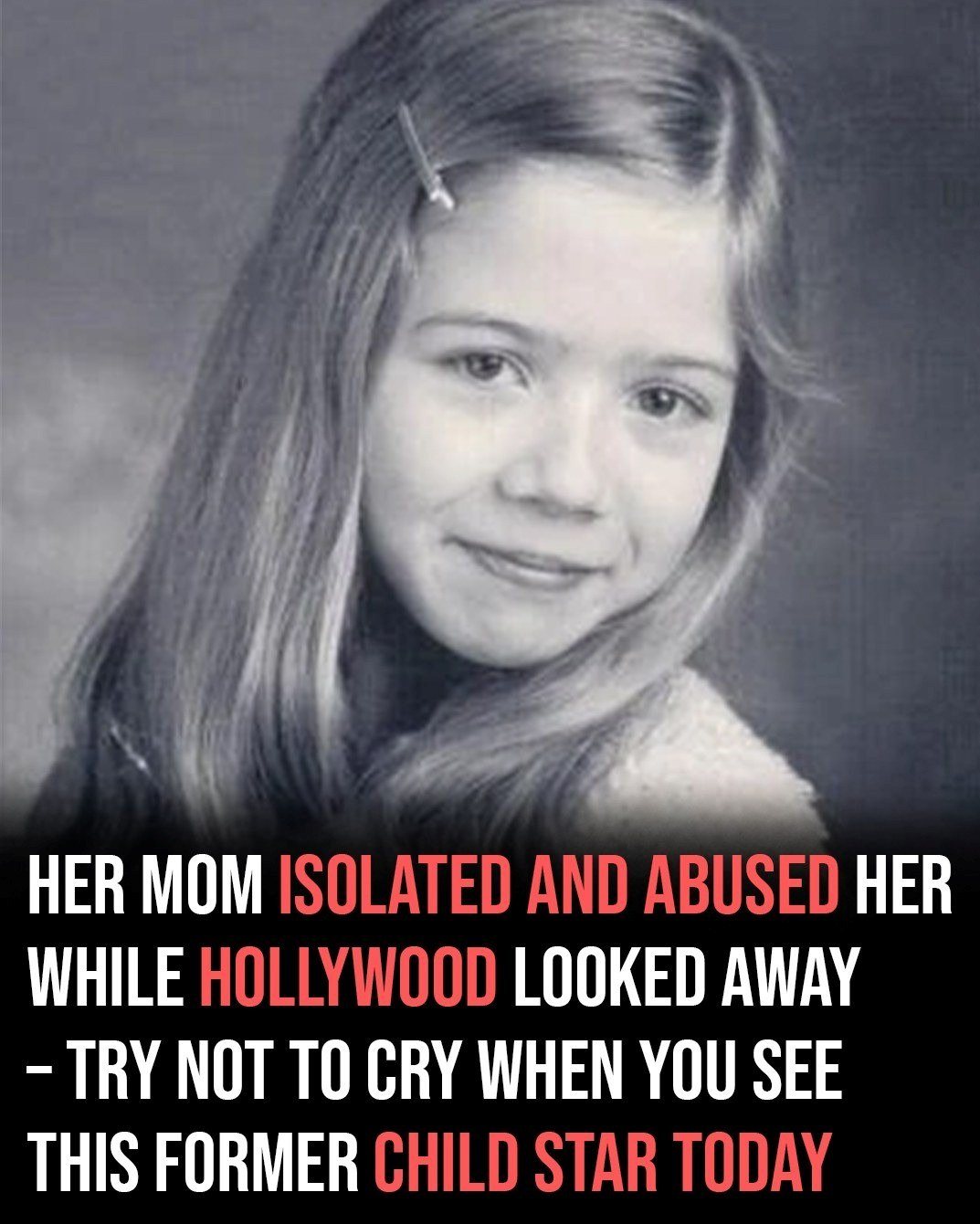
Instead, many are placed in environments where performance is rewarded more than vulnerability, obedience more than authenticity, and silence more than truth.
The industry rarely asks, *“Is this child okay?”*
It asks, *“Are they profitable?”*
## **Abuse Hidden in Plain Sight**
Abuse in the entertainment industry doesn’t always look like dramatic scandals. Often, it’s quieter — easier to overlook.
### **Emotional Abuse**
* Being screamed at for mistakes
* Being told their worth depends on ratings or box office numbers
* Being compared to other children as “replaceable”
### **Psychological Manipulation**
* Being pressured to grow up too fast
* Being told to “be grateful” instead of expressing pain
* Having normal emotions labeled as “difficult” or “unprofessional”
### **Neglect**
* Parents absent or overwhelmed
* Studio teachers stretched thin
* Adults assuming someone else is protecting the child
—
## **When the Adults Fail**
One of the most painful truths former child stars speak about later in life is not just what happened to them — but **who didn’t stop it**.
* Parents who relied financially on the child
* Managers who prioritized contracts over consent
* Studios that treated children as assets, not humans
* Media outlets that mocked instead of questioned
Children lack power by definition. When the adults around them choose silence, the damage compounds.
Many former child stars describe learning very early that:
> “My job is to smile. My feelings don’t matter.”
—
## **Growing Up Without Growing Safely**
Fame distorts development.
While other kids learn who they are through trial and error, child stars are taught to become a **brand**. Their identity is shaped by:
* Scripts
* Public expectations
* Fan reactions
* Adult approval
They often miss out on:
* Privacy
* Normal friendships
* Emotional experimentation
* The freedom to fail safely
As a result, many former child stars enter adulthood without a clear sense of self.
They ask:
* Who am I when I’m not performing?
* Am I lovable without applause?
* What do *I* actually want?
—
## **Ignored When the Spotlight Moves On**
One of the cruelest aspects of child stardom is how quickly the world forgets.
When roles dry up or a child ages out of “cute,” support often disappears. The same industry that once surrounded them with attention moves on to the next rising star.
There is rarely:
* A transition plan
* Mental health support
* Education about money or boundaries
* Preparation for life outside fame
Former child stars often describe this moment as falling off a cliff — emotionally, financially, and psychologically.
They go from being everywhere to being invisible.
—
## **Coping Mechanisms That Become Crutches**
Unprocessed trauma doesn’t disappear. It looks for outlets.
For many former child stars, coping turns into:
* Substance use
* Disordered eating
* Self-isolation
* Risky relationships
* Perfectionism
* Self-sabotage
These behaviors are often misunderstood by the public as “rebellion” or “bad choices.”
But they are frequently **survival strategies** — learned in environments where control, escape, or numbness felt safer than vulnerability.
—
## **The Media’s Role in the Damage**
Perhaps nothing deepens the wounds like the way former child stars are treated once they struggle.
Instead of compassion, they’re met with:
* Mockery
* Sensational headlines
* Moral judgment
* Endless speculation
The same outlets that once profited from their innocence now profit from their pain.
Rarely does the narrative ask:
* What happened to this person?
* Who failed them?
* Why are we entertained by their breakdown?
—
## **Breaking the Silence**
In recent years, more former child stars have begun to speak openly about their experiences.
This shift matters.
When survivors tell their stories, they:
* Reclaim their narrative
* Validate others who suffered silently
* Expose systemic failures
* Challenge the myth that fame equals protection
Speaking out is not easy. It often comes with backlash, disbelief, or accusations of “attention-seeking.” But silence, many say, cost them far more.
—
## **Reclaiming Identity After Fame**
Healing doesn’t mean returning to the spotlight.
For many former child stars, healing looks like:
* Therapy
* Education later in life
* Building relationships outside the industry
* Learning boundaries for the first time
* Discovering passions unrelated to fame
This process can be slow and painful. Trauma doesn’t follow a schedule. But with support, many survivors describe a powerful shift — from being defined by what happened to them to defining themselves on their own terms.
—
## **What the Industry Still Needs to Fix**
Despite increased awareness, systemic problems remain.
Real protection would require:
* Independent child advocates on sets
* Mandatory mental health support
* Stronger labor laws
* Financial transparency
* Clear reporting mechanisms for abuse
* Consequences for those who enable harm
Until children are treated as people first and performers second, history will repeat itself.
—
## **Why This Story Matters**
This isn’t just about celebrities.
It’s about:
* How we value children
* How power operates in silence
* How society rewards productivity over wellbeing
* How trauma hides behind success
Former child stars remind us that harm can exist even in beautiful places — especially when money and admiration discourage accountability.
—
## **A Journey, Not a Label**
Being abused and ignored does not define a person forever.
Survivors are not broken.
They are not weak.
They are not cautionary tales for entertainment.
They are people who endured something they never consented to — and who deserve understanding, support, and dignity.
Their journeys continue long after the cameras stop.
And the most important chapter is often the one they write for themselves — away from the spotlight, but finally seen.
—
## **Final Thoughts**
The next time you see a child star on screen, ask yourself:
* Who is protecting them?
* Who is listening to them?
* Who will be there when the applause ends?
Because talent should never come at the cost of safety.
And no child should have to survive their childhood just to succeed.
—
If you’d like, I can:
* Adapt this into a **more investigative tone**
* Focus it on **recovery and healing**
* Rewrite it for **mental health or advocacy blogs**
* Create a **shorter, emotionally punchy version**
Just let me know.
