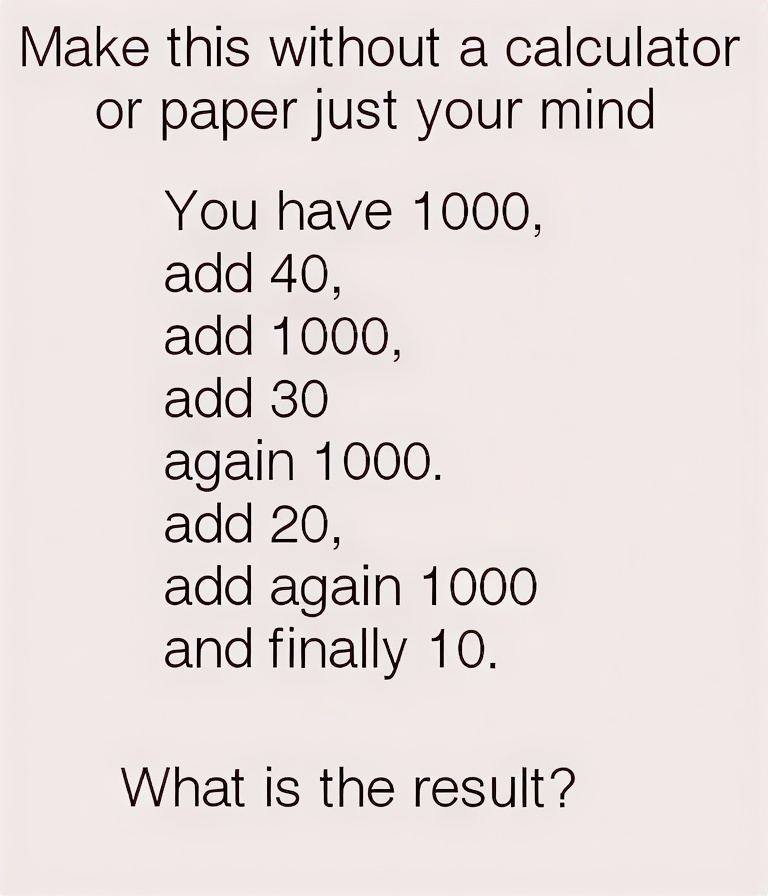
—
## **Where Did “The Answer Is in the 1st Comment” Come From?**
Algorithms reward:
* Comments
* Replies
* Time spent interacting
* Back-and-forth discussion
Creators quickly realized something important:
If you **withhold information** and force users into the comments, engagement skyrockets.
Thus, the phrase was born—not as a joke, but as a growth hack.
What started with innocent posts like:
> “Recipe in the first comment!”
Evolved into:
And eventually:
> “They don’t want you to know this. Check the comments.”
—
## **Why It Works on the Human Brain**
The reason this phrase is so effective isn’t accidental—it taps directly into human psychology.
### **1. Curiosity Gaps**
Our brains hate unfinished stories. When information is teased but not delivered, it creates a *curiosity gap*—a psychological itch we feel compelled to scratch.
> “You’re missing something important.”
And our instinct is to go find it.
### **2. Fear of Missing Out (FOMO)**
The implication is that *others* already know the answer. You’re late. Everyone else has seen it.
No one wants to be the last person out of the loop.
### **3. Effort Justification**
Once we scroll, search, or comment, we’ve invested effort. That makes us more likely to stay engaged—even if the payoff is disappointing.
### **4. Social Proof**
Seeing hundreds or thousands of comments reinforces the idea that the content is worth engaging with—even when it isn’t.
—
## **How Platforms Quietly Encourage This Behavior**
While users often blame creators, the truth is more complicated.
Social platforms prioritize **engagement over clarity**.
A post that delivers the answer immediately:
* Gets likes
* Gets scrolled past
A post that withholds the answer:
* Generates comments
* Triggers replies
* Keeps users on the app longer
From an algorithm’s perspective, “The answer is in the 1st comment” is a **perfect engagement engine**.
Even negative reactions—anger, frustration, sarcasm—still count as interaction.
The algorithm doesn’t care *why* you commented.
It only cares *that* you did.
—
## **When the First Comment Actually Has the Answer**
To be fair, sometimes the answer *really is* in the first comment.
Examples where this works well:
* Recipes that don’t fit in captions
* Long explanations better suited to comments
* Updates posted after the original upload
* Clarifications added in response to questions
In these cases, the phrase serves a practical purpose.
The problem is that this legitimate use has been overshadowed by manipulation.
—
## **When “The Answer” Isn’t an Answer at All**
Here’s where frustration kicks in.
Too often, the first comment:
* Repeats the original post
* Says “check the link”
* Promotes a product
* Leads to another tease
Sometimes it’s not even the creator’s comment—it’s buried under spam, jokes, or unrelated replies.
The result?
Users feel tricked.
And nothing erodes trust faster than feeling manipulated.
—
## **The Rise of Comment Rage**
Scroll through posts that use this phrase and you’ll notice a pattern in the replies:
* “Why not just say it?”
* “This is clickbait.”
* “Waste of time.”
* “Unfollowed.”
Ironically, this backlash *still boosts the post*.
Anger fuels engagement just as well as excitement.
Creators know this.
Which raises an uncomfortable question:
**Is misleading your audience worth the algorithmic boost?**
—
## **What This Trend Says About Modern Content**
“The answer is in the 1st comment” reflects a larger shift in digital culture:
### **Information Is Secondary to Interaction**
What matters most isn’t clarity or value—it’s engagement.
### **Attention Is the Real Currency**
Your curiosity, frustration, and time are the product.
### **Content Is Designed to Be Incomplete**
Not to inform, but to hook.
This doesn’t mean creators are evil—but it does mean the system rewards behavior that prioritizes clicks over honesty.
—
## **Why Audiences Are Getting Smarter**
The internet moves fast—but users adapt.
More people now:
* Scroll comments skeptically
* Avoid posts with obvious bait
* Call out manipulation publicly
* Support creators who deliver value upfront
There’s a growing appreciation for transparency.
Ironically, creators who *don’t* rely on tricks often build stronger, more loyal audiences in the long run.
—
## **How Creators Can Use This Phrase Responsibly**
The phrase itself isn’t the problem—it’s how it’s used.
Responsible use looks like:
* Clearly stating *why* the answer is in the comments
* Making sure the first comment actually delivers value
* Pinning the correct comment
* Avoiding misleading language
For example:
> “Full explanation is in the first comment due to character limits.”
That builds trust instead of eroding it.
—
## **How Readers Can Protect Their Attention**
You don’t have to fall for every curiosity hook.
A few simple habits help:
* Skim comments before engaging emotionally
* Recognize bait patterns
* Ask whether the post respects your time
* Support creators who give clear, direct information
Your attention is valuable. Spend it intentionally.
—
## **The Ironic Truth About the Phrase**
Here’s the twist:
“The answer is in the 1st comment” often becomes more memorable than the answer itself.
People don’t remember what they learned.
They remember how the post made them feel.
Frustrated.
Curious.
Manipulated.
Or occasionally—satisfied.
That emotional response is the real payload.
—
## **So… What’s the Real Answer?**
The phrase isn’t just a sentence.
It’s a symbol.
A symbol of:
* How platforms reward engagement
* How creators adapt to survive
* How users are caught in the middle
The real answer isn’t in the first comment.
**It’s in understanding the system that made the phrase unavoidable.**
—
## **Final Thoughts**
“The Answer is in the 1st Comment” isn’t going away anytime soon. As long as algorithms reward interaction, creators will keep finding ways to pull audiences deeper into the scroll.
But trends change.
Audiences evolve.
And trust, once broken, is hard to rebuild.
In a digital world overloaded with noise, clarity is becoming the rarest—and most valuable—currency of all.
And maybe one day, the most powerful sentence online won’t be a tease.
It’ll just be the truth—right where you can see it.
—
If you want, I can:
* Rewrite this in a **more viral / sarcastic tone**
* Adapt it for **Medium or Substack**
* Turn it into a **YouTube script**
* Or create a **short punchy version for social media**
Just let me know 👇
